Why Preventive Dentistry Creates The Pathway To Stunning Smile Results

You might be feeling a little stuck right now. Maybe you brush and floss most days, you try to avoid too much sugar, yet you still worry every time you sit in the dental chair. You hope you will not hear the words “cavity,” “root canal,” or “we need to keep an eye on this.” With comprehensive dentistry in Romeo, you want a healthy, good looking smile, but you may not be sure what actually makes the biggest difference over time.end
Because of that tension, you might wonder if there is something you are missing. Is it the toothpaste you use, the timing of your appointments, or just “bad teeth” that run in your family. It can feel unfair when you see other people smile easily while you cover your mouth or avoid photos.
Here is the simple truth. Beautiful, confident smiles are rarely an accident. They are almost always built on quiet, consistent habits and smart preventive care. When you understand how preventive dentistry sets the stage for stunning smile transformations, cosmetic work becomes the finishing touch instead of an emergency fix. That is the path this page will walk you through, step by step.
Why do problems keep showing up if you are “doing everything right”?
Think about how most dental problems start. They usually do not begin with pain. They begin with small, silent changes. A bit of plaque that hardens into tartar. A tiny rough spot that turns into a cavity. A little bleeding when you floss that signals gum irritation. None of this feels urgent in the beginning, so it is easy to push it to the back of your mind.
The problem is that teeth and gums rarely fix themselves. A small issue quietly grows until it demands your attention. That is when you face the stress you know too well. A surprise bill. A long appointment. Maybe even embarrassment about how things got so bad. You might tell yourself, “I should have come in sooner,” while also thinking, “I honestly did not know it was this serious.”
So where does that leave you? Often in a cycle that feels exhausting. You wait until something hurts. You rush in. You fix it. You promise to do better. Then life gets busy again and daily habits slip back to normal. Without a plan for preventive care, your smile is always catching up, never getting ahead.
Now imagine a different pattern. Instead of putting out fires, your family and cosmetic dentist is watching for early changes, guiding you on simple routines, and planning for your long term goals. Problems are found when they are small. Your cost is lower. Your time in the chair is shorter. Your anxiety drops because you are not bracing for bad news at every visit.
How does preventive care actually create “stunning smile” results?
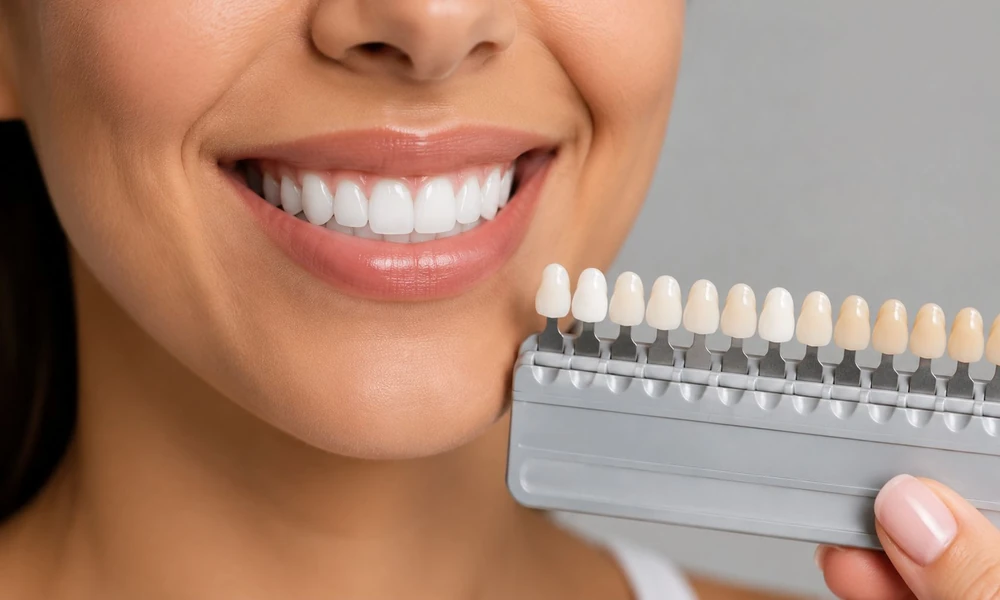
It helps to connect the dots between everyday habits, regular visits, and the cosmetic results you might want in the future. A lot of people think of cosmetic dentistry as whitening, veneers, or straightening. That is true, but those treatments only look their best on a healthy foundation.
Here is what often happens in real life. Someone wants whiter teeth, but during the exam the dentist finds untreated gum disease. If whitening starts right away, the result may be uneven color and sensitivity. Or someone wants veneers, but decay is hiding under old fillings. If that is not treated first, the beautiful new smile will not last.
Strong preventive care changes that story. Regular cleanings remove the hardened plaque you cannot reach at home. Early X rays and exams spot cavities before they spread. Guidance on home care helps you protect your investment after cosmetic work is done. The result is a smile that is not only brighter, but also stable and comfortable.
If you are curious about what you can do at home, resources like the Centers for Disease Control offer clear, evidence based advice on everyday oral health prevention. When these habits are paired with professional care, you create the conditions for the kind of smile you actually want, not just the one you are trying to rescue.
What happens if you rely on “fix it later” instead of prevention?
It can help to see the contrast between two different paths. One path waits until there is pain or visible damage. The other path uses preventive dental care to stay ahead. The difference shows up in your emotions, your wallet, and your long term confidence.
| Approach | Short Term Experience | Long Term Impact |
|---|---|---|
| “Fix it later” care | Fewer visits at first, but more emergencies, longer appointments, and higher stress when something hurts or breaks | More extractions, root canals, and complex cosmetic work to repair damage that could have been prevented |
| Preventive focused care | Regular, planned visits that are usually quicker and more comfortable, with fewer surprises | Healthier gums and enamel, lower risk of tooth loss, and better cosmetic options when you are ready for a smile upgrade |
| Home care only, no dentist | Feels convenient and cheaper at first, with no time in the chair | Hidden problems grow silently, leading to sudden pain, higher costs, and limited cosmetic choices later on |
So, where does preventive care actually show up in your day to day life? It is less dramatic than an emergency visit, but far more powerful. It looks like brushing twice a day with fluoride toothpaste, flossing once a day, and following the kind of home care tips shared by the American Dental Association for effective daily oral hygiene. It looks like showing up for professional cleanings even when nothing hurts, and being honest with your dentist about your concerns and goals.
Three practical steps you can start today
1. Create a simple, non negotiable home routine
You do not need fancy products to protect your smile. Focus on consistency. Brush gently for two minutes, morning and night, with a fluoride toothpaste. Floss once a day, even if you start with just a few teeth and work your way up. If you tend to forget, tie it to habits you already have, like brushing right after your morning coffee or evening shower. A small, steady routine is far more powerful than a “perfect” routine you only keep for a week.
2. Schedule preventive visits before you think you “need” them
Pain is a late sign, not an early warning. Regular exams and cleanings help your dentist find small changes before they turn into big problems. If it has been a while, you may feel nervous or even embarrassed. That is completely normal. A good family and cosmetic dentist understands this and will focus on where you are now and how to move forward, not on judging the past. When you think about future cosmetic goals like whitening or straightening, ask what you can do today to prepare your mouth for those treatments.
3. Talk openly about your smile goals and your budget
Preventive care and cosmetic care are not separate worlds. They are parts of the same plan. Tell your dentist what bothers you when you look in the mirror. Is it color, crowding, chipped edges, or old fillings that show when you smile. Share your budget and your timeline. This allows your dentist to build a step by step plan that protects your health first, then layers in cosmetic improvements in a way that feels realistic. That is how preventive smile care becomes a pathway, not just a one time fix.
Moving from worry to confidence about your smile
You do not have to live in fear of the dental chair or feel stuck with a smile that does not match how you want to show up in the world. When you lean into prevention, you give yourself options. You spend less time reacting and more time choosing. You protect your teeth and gums, and you make any future cosmetic work more predictable, more comfortable, and more likely to last.
The pathway to stunning smile results is not about perfection. It is about small, steady steps and an ongoing relationship with a trusted dental team. You deserve to feel at ease when you smile, to eat without worry, and to sit in the chair without bracing for bad news. Preventive dentistry is how you get there, one visit and one habit at a time.