Does Your Child Need Braces? Why Age 7 is the Time to Check
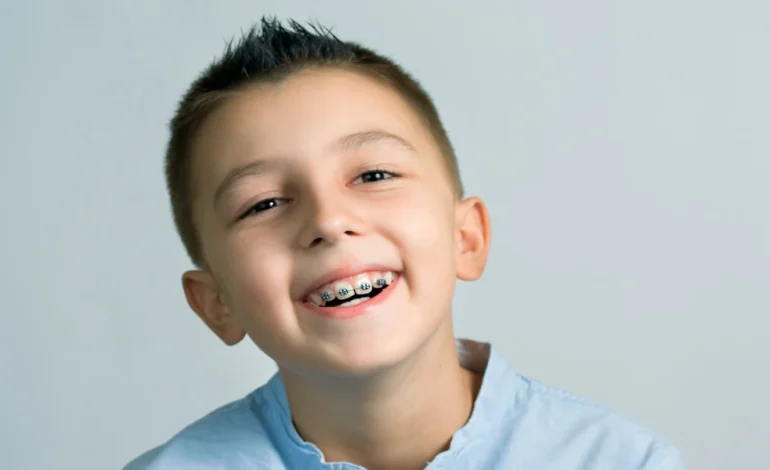

As a parent, you have got a million things on your mind. Your seven-year-old’s teeth might not be at the top of that list, especially if they look perfectly straight. But here is the thing: by age seven, their mouth is a mix of baby teeth and permanent ones, and it is the perfect time for an orthodontist to peek under the hood.
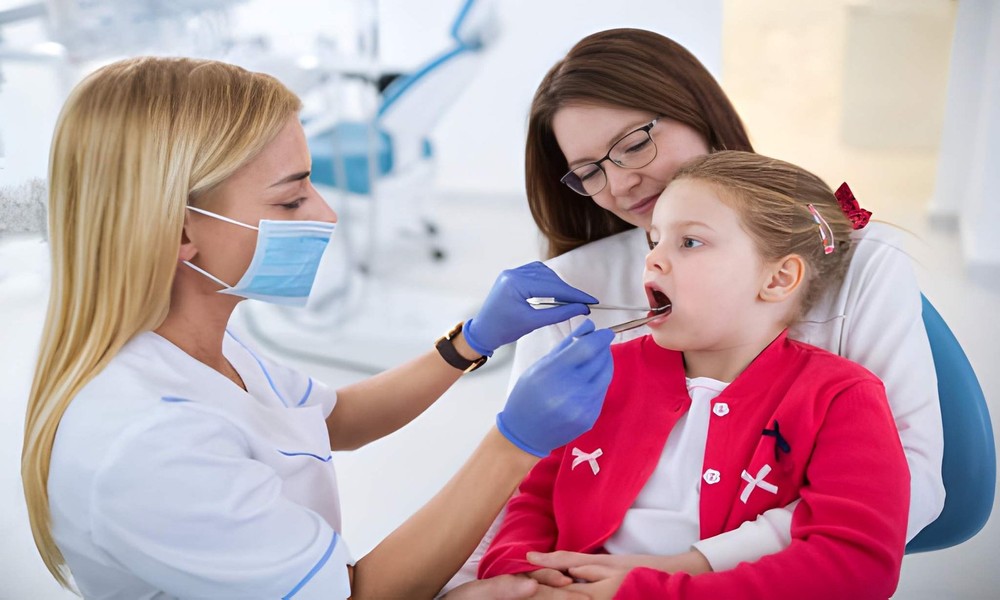
The American Association of Orthodontists recommends that every child gets a check-up by age seven. It is not about fitting them with braces immediately. It is about catching hidden issues while the jaw is still growing and easy to guide.
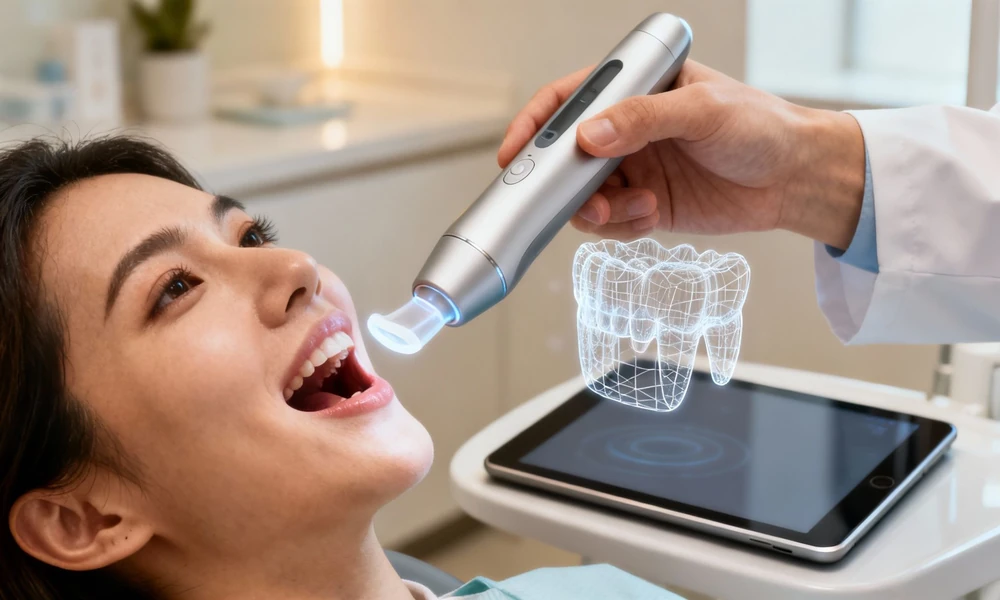
If you are wondering where to start looking for a reliable Orthodontist in Round Rock, Texas, offering a complimentary consultation, we have a quick recommendation. The specialists at Sing Orthodontics will run the scans and spot subtle problems with jaw growth or tooth eruption that you may not have noticed on your own.
An early evaluation can help determine whether your child needs monitoring, treatment, or simply reassurance that their development is progressing normally.
Why Age 7 is the Magic Number
So, why seven? At this age, the first permanent molars and incisors have usually come in. This gives an orthodontist a clear view of how the bite is developing.
They can check for issues that are not always obvious, like:
- Crossbites and underbites: Where the upper and lower jaws do not align properly.
- Crowding or spacing: Problems that could make cleaning teeth difficult later on.
- Jaw growth patterns: Guiding the jaw early can prevent more serious issues down the road.
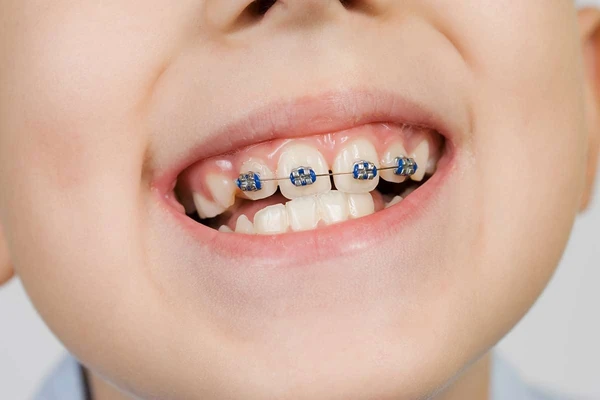
An evaluation does not mean your child will get braces right then. In fact, many kids just get monitored as they grow. For others, early intervention (sometimes called Phase 1 treatment) might be recommended to guide jaw growth, create space for permanent teeth, or correct habits like thumb-sucking.
The Benefits of an Early Check
Getting that first evaluation can be a game-changer for several reasons:
- Simpler future treatment: Catching a problem early often means shorter, less complicated treatment later. It can even reduce the need for extractions or surgery.
- Better oral hygiene: Straight teeth are easier to clean, which lowers the risk of cavities and gum disease.
- Boosted confidence: Fixing issues that might make a child self-conscious can do wonders for their self-esteem.
- Healthier breathing: Airway-focused orthodontics can help with issues like mouth breathing and sleep quality, which is connected to overall development.
Ultimately, an early visit gives your child the best chance for a healthy, functional smile that lasts a lifetime.
The Bottom Line
Waiting until all permanent teeth come in, usually around age 12 or 13, means missing the window where jaw growth can be gently guided. That first check-up at seven is not about rushing into braces it is about giving your child every advantage for a healthy, confident smile.
A simple evaluation now could save them from complex treatments, extractions, or even surgery later. So, schedule that appointment. Your seven-year-old’s future smile will thank you.