Post Treatment Smile Maintenance: When To Replace A Retainer And Why
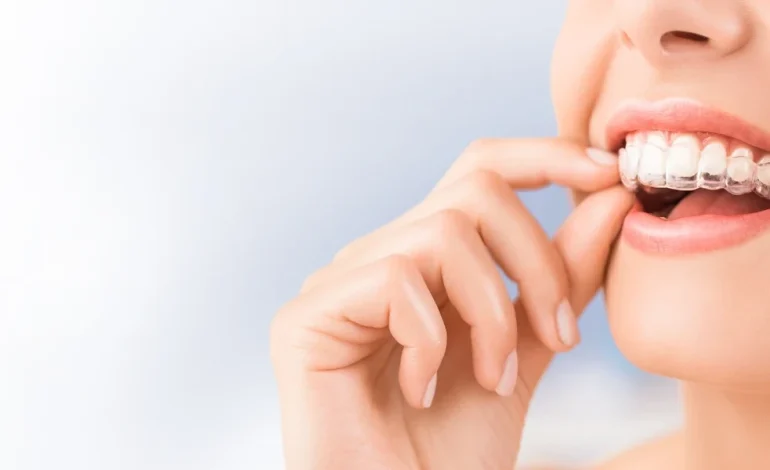

You finally made it through braces or aligners, your teeth look the way you hoped they would, and then a small new worry shows up. Your retainer feels loose, or cracked, or just different, and now you are wondering if something this simple could undo months or years of work. That concern makes sense. After orthodontic treatment, a retainer is what helps hold your smile in place, so knowing when to replace it matters more than many people expect, and a Chicago orthodontist can help you decide when it is time for a new one.
The short answer is this. Retainers do not last forever. They wear down, warp, crack, collect buildup, or stop fitting the way they should. When that happens, they may no longer keep your teeth stable, which raises the risk of shifting. If you have been asking yourself whether your appliance still works, that question alone is worth taking seriously. A trusted orthodontist can help you decide if repair, replacement, or a new retention plan makes the most sense.
Why can a worn retainer put your smile at risk?
It is easy to think of a retainer as the final step, something passive that just sits there. In reality, retention is active care. Teeth naturally want to move over time, and research on long term stability after orthodontic treatment has shown that some relapse is common without proper retention. A review available through PubMed Central on orthodontic retention explains why keeping teeth in position after treatment is such an important part of care.
Because of this, even a small problem can grow. A clear retainer that has warped from heat may still go in, but it may no longer fit evenly. A bonded retainer behind the teeth may loosen on one tooth and allow gradual movement before you notice it. A retainer with cracks can become less stable and less hygienic at the same time. So, where does that leave you?
Usually, it leaves you watching for a few common signs. If your retainer feels tighter than usual after wearing it consistently, your teeth may already be shifting. If it feels loose, it may not be applying the right hold. If you see visible damage, rough edges, discoloration that does not clean off, or a change in shape, it may be time for a replacement. Even bad odor can be a clue that the material has broken down or is holding bacteria in ways normal cleaning no longer fixes.
How often should you replace a retainer after orthodontic treatment?
There is no single timeline that fits everyone. The type of retainer, how often you wear it, how you clean it, and even habits like grinding your teeth all affect lifespan. Clear plastic retainers often need replacement sooner than Hawley retainers with acrylic and wire. Fixed retainers can last for years, but they still need regular checks because glue can fail or wires can bend.
The American Dental Association’s orthodontics overview from MouthHealthy is a good reminder that retention is part of ongoing orthodontic care, not an afterthought. In plain terms, your smile maintenance plan should be reviewed just like any other dental appliance.
You might also wonder whether replacing a retainer is really necessary if it still sort of works. That is where many people get stuck. “Sort of” can be risky. A retainer that only partly fits can create pressure in the wrong places or fail to hold alignment at all. In some cases, waiting too long means you are not just paying for a new retainer, you are paying to correct shifting teeth as well.
What signs mean you should call an orthodontist about retainer replacement?
Some signs are obvious, and some are easy to brush off. Cracks, chips, bent wires, or a retainer that no longer seats fully are clear reasons to schedule a visit. But there are quieter warning signs too. If floss starts feeling different between certain teeth, if you notice tiny gaps returning, or if your bite feels off, your retainer may no longer be doing its job.
There is also good evidence that fixed retainers need follow up over time. A study indexed on PubMed about bonded orthodontic retainers supports the need for monitoring because failures and complications can happen even when things seem fine at first glance.
This is why retainer replacement after braces is not just about comfort. It is about protecting results. If you have a backup retainer, do not switch to it without checking fit. If it feels very tight, that may be a sign your teeth have already moved.
Which retainer problems can wait, and which ones should not?
| Situation | What it may mean | What to do |
|---|---|---|
| Small stain or mild odor | Possible buildup from cleaning habits | Clean as directed and monitor. If odor stays, ask for an evaluation. |
| Hairline crack in clear retainer | Material is weakening and may fail soon | Schedule a replacement check soon. |
| Retainer feels tight after regular wear | Possible tooth movement or warping | Contact an orthodontist promptly. |
| Retainer feels loose or does not sit fully | It may no longer hold teeth correctly | Stop guessing and book an exam. |
| Bonded retainer wire feels lifted or detached | One or more teeth may shift | Arrange professional care as soon as possible. |
That table reflects a simple truth. Some issues are maintenance issues, while others are stability issues. Knowing the difference can save you time, money, and stress. If you are unsure, treat it as a stability issue until a professional says otherwise.
What can you do right now to protect your smile maintenance plan?
1. Check the fit, not just the appearance.
A retainer can look mostly fine and still stop working well. Put it in and notice whether it seats fully, feels balanced, and matches the way it used to fit. If anything feels off, do not force it.
2. Review how you store and clean it.
Heat, dry paper towels, pockets, and napkins are common ways retainers get damaged or lost. Use the case, avoid hot water, and follow cleaning instructions that match the retainer type. Good care can extend the life of your post treatment smile maintenance routine.
3. Schedule a retainer check before a small issue becomes a larger one.
If you have not had your retainer looked at in a while, this is a good time. An orthodontist can spot early wear, bite changes, or bonded retainer problems before they lead to relapse. That is often the difference between a simple replacement and more treatment.
When to replace a retainer and why it matters long term
If your retainer is cracked, warped, loose, broken, or no longer fits the way it once did, it is probably time to replace it. If your teeth seem to be moving, it is time to act even sooner. The goal is not perfection. It is keeping the results you worked hard for and avoiding preventable setbacks.
Smile retention can feel like one more thing to manage, but it is one of the most important parts of keeping your orthodontic results stable. When in doubt, reach out to an orthodontist and have the fit checked. A simple visit now can help protect your smile for years to come.