4 Ways Family Dentists Support Parents Of First Time Patients

Your child’s first dental visit can feel bigger than it sounds. You may be wondering if you picked the right time, whether your child will cry, and how you are supposed to keep tiny teeth healthy when brushing already feels like a wrestling match. That stress is common, and it usually starts long before you walk into the Pasadena CA dental office.
Parents of first time patients are not just looking for a cleaning. You want reassurance, clear answers, and a dentist who knows how to guide both you and your child through a new experience without making it harder than it needs to be. A good family dentist does more than check teeth. They help you build habits, catch problems early, and make dental care feel normal instead of scary.
Family dentists reduce fear before it becomes a bigger problem
A child’s first impression of dental care can shape how they respond for years. If that first visit feels rushed, tense, or confusing, the next one gets harder. That is why one of the most helpful parts of seeing a family dentist is the way they prepare children and parents before fear takes over.
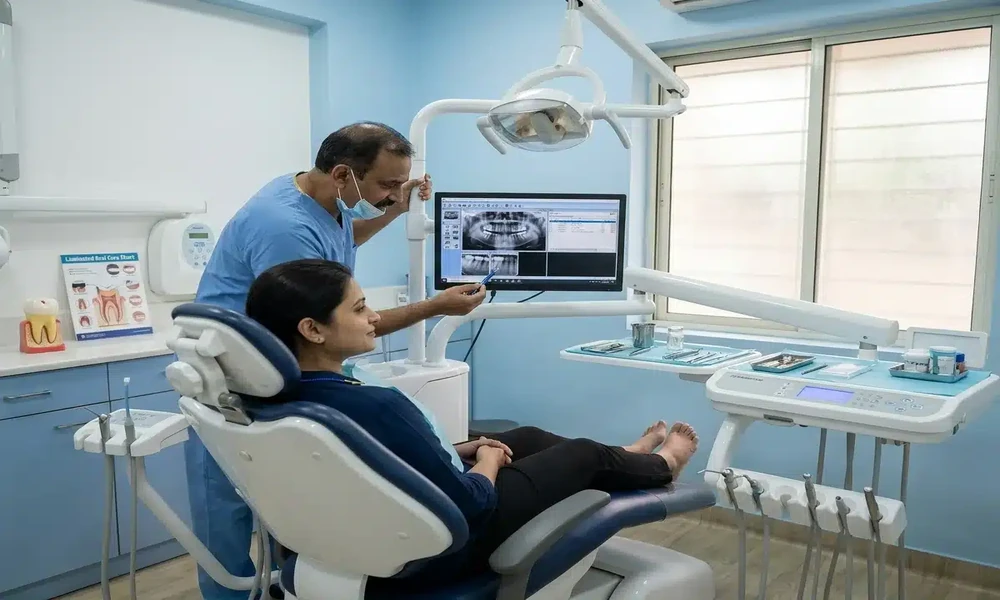
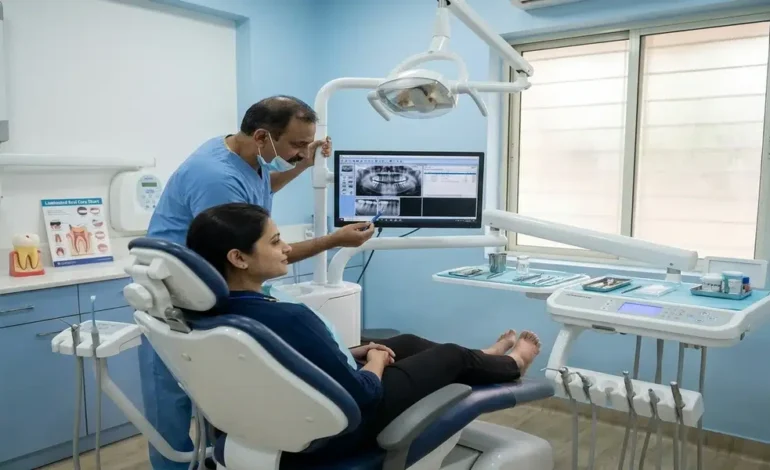
For a first time patient, the room, the chair, the sounds, and even the bright light can feel like too much. You may already be bracing for tears. Family dentists who work with children understand that. They often use simple language, slower pacing, and short visits focused on comfort and trust. That approach helps your child feel safe, and it helps you stay calmer too.
This is one reason many parents look for family dental care for first visits instead of waiting until there is pain. A calm introduction gives your child a chance to learn that the dentist is not only a place for shots or emergencies. It becomes part of normal health care.
Family dentists teach parents what actually matters at home
Most first time parents have heard a lot of conflicting advice. One person says baby teeth do not matter because they fall out anyway. Another says thumb sucking ruins everything. Then you hear about fluoride, bottle use, teething, and cavities in toddlers, and suddenly every snack feels like a bad decision.
Family dentists help sort that out. They explain what is normal for your child’s age, how to clean teeth and gums, when to start flossing, and what habits raise the risk of decay. That kind of guidance matters because early childhood cavities can develop faster than many parents expect.
The CDC’s oral health tips for children give a strong baseline for daily care, and family dentists build on that advice in a way that fits your child’s routine. If your toddler falls asleep with a bottle, if brushing turns into a meltdown, or if you are unsure about fluoride toothpaste, those are not small questions. They are exactly the questions a family dentist should answer clearly.
Parents also benefit from age specific guidance like the resources from HRSA on oral health for young children. A dentist can take that public health guidance and turn it into a plan you can actually use at home without feeling judged.
Family dentists catch early problems before they become expensive
Small dental issues rarely stay small when they go unnoticed. A white spot on a tooth may be the start of decay. A bite issue may seem harmless now, but early monitoring can prevent more involved treatment later. For first time patients, the value of a family dentist is often in what they spot before your child says anything hurts.
This matters financially as much as medically. Preventive care costs less than treatment for cavities, infections, or dental trauma. If your child has enamel issues, crowded teeth, or signs of grinding, a family dentist can track those changes early and explain what needs action now and what simply needs watching.
First dental visits with a family dentist are often less about treatment and more about building a record of your child’s oral development. That baseline helps future decisions make sense.
Family dentists support the whole family, not just one appointment
There is a practical comfort in having one dental home for everyone. Parents are already managing medical visits, school forms, sleep schedules, and meals. Going to a practice that treats children and adults can simplify scheduling and create consistency. Your child also sees that dental care is something the whole family does, not a punishment they are singled out for.
That model works well because children learn by watching. When your child sees you sit in the chair too, the visit feels less unfamiliar. A family dentist can also connect your child’s care to family history, habits, and routines. If cavity risk runs in the family, if dry mouth from medications is an issue for someone at home, or if shared snacks and drinks are part of the daily routine, that context matters.
The NIDCR guide on keeping your baby’s mouth healthy reflects the same idea. Oral health starts early, and family habits shape it from the beginning.
Practical differences between waiting and starting early with a family dentist
| Approach | What Often Happens | Likely Result |
|---|---|---|
| First visit after pain starts | Child arrives upset, parent is stressed, treatment may be needed right away | More fear, higher cost, harder future visits |
| Early preventive visit with a family dentist | Child gets a gentle introduction, parent gets home care guidance, dentist establishes a baseline | Less anxiety, earlier detection, smoother long term care |
| Home care without professional guidance | Parents rely on mixed advice from friends or the internet | Higher chance of missed issues or ineffective habits |
| Ongoing family dentist relationship | Regular monitoring, consistent education, easier scheduling for the household | Better continuity and fewer surprises |
Simple steps parents can take right away
Schedule the first visit before there is a problem. Do not wait for pain, swelling, or visible damage. Early visits are usually easier on your child and give you a chance to ask questions before stress is high.
Practice the routine at home. Read a simple book about the dentist, count teeth together in the mirror, and keep your tone calm. If you treat the visit like a normal part of growing up, your child is more likely to follow your lead.
Write down your real concerns before the appointment. Ask about thumb sucking, pacifier use, fluoride, feeding at night, brushing struggles, and anything else that keeps nagging at you. A family dentist can give advice that fits your child instead of general tips that may not apply.
You do not need to know everything before that first appointment. You just need a dental team that understands how much this stage can carry for a parent. The right support makes the first visit feel less like a test and more like the start of a healthy routine your child can grow into.
If your child is getting ready for a first visit, consider reaching out to a trusted provider of family dentistry and set up an appointment when your child is calm and well rested. That one step can make the whole experience easier for both of you.