6 Bedtime Habits That May Affect The Mouth’s Natural Protection

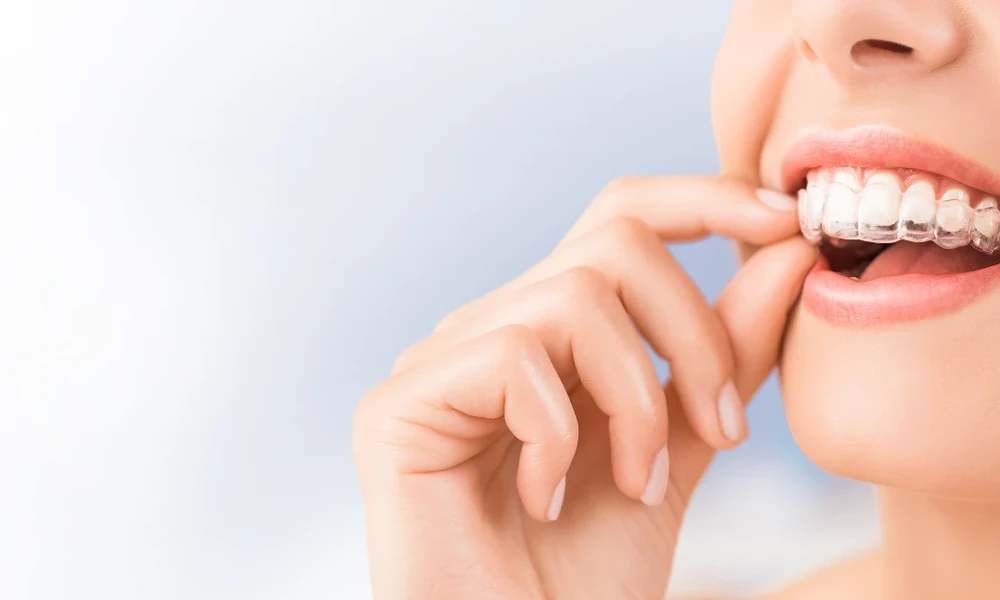
You brush, maybe rinse, climb into bed, and assume your mouth gets to rest too. Then morning shows up with a dry tongue, sticky teeth, bad breath, or that fuzzy feeling that makes you want water before you can even talk. That pattern is easy to ignore because it happens quietly, night after night. Your mouth’s built in defense system does a lot of its work while you sleep, and certain bedtime routines can make that job harder. If you’re considering ways to improve your oral health and alignment, Great Neck Invisalign treatment may be worth exploring.
Saliva is a big part of that protection. It helps wash away food bits, balances acids, and supports the tissues in your mouth. When bedtime habits lower saliva flow or feed bacteria, teeth and gums lose some of that natural shield. A few common routines can push things in the wrong direction, especially if you already deal with dry mouth, snoring, reflux, or late night cravings. A general dentist can help you sort out what is harmless and what is starting to leave a mark.
Nighttime Dry Mouth Habits Can Weaken Saliva’s Protective Role
One of the most common issues is going to sleep dehydrated. If you finish the evening with coffee, alcohol, salty snacks, or very little water, your mouth may already be dry before your head hits the pillow. Saliva flow naturally drops during sleep, so starting the night low makes that drop more noticeable. The result can be a dry, acidic environment where cavity causing bacteria have an easier time. The National Institute of Dental and Craniofacial Research explains how dry mouth affects oral health, including higher risk for decay and mouth discomfort.
Mouth breathing can make the same problem worse. If you wake up with your lips parted, a sore throat, or a cotton dry mouth, air may be drying your tissues for hours at a time. Sometimes that starts with congestion. Sometimes it is linked to snoring or sleep apnea. It sounds small until you realize it happens every night.
Late Night Sugar and Acid Exposure Can Feed Bacteria While You Sleep
A sweet snack before bed seems harmless, especially when you are tired and just want something comforting. The trouble is that food residue sits longer overnight. Saliva is lower, you are not drinking water, and there is no daytime swallowing pattern to help clear sugars and acids away. That gives plaque more time to produce acid against your enamel.
The same goes for sipping juice, soda, sports drinks, sweet tea, or even flavored sparkling water late at night. If you fall asleep soon after, your teeth may stay exposed for hours. It is one reason bedtime habits that affect oral health often matter more than people think. The habit is short. The contact time is long.
Brushing Too Soon After Acidic Foods Can Scrub a Softened Surface
Many people try to be diligent and brush right after a late snack or drink. That instinct makes sense, but timing matters. If you have had something acidic, enamel can be temporarily softened. Brushing immediately can add wear instead of protection. Waiting a bit, then brushing with fluoride toothpaste, is often the better move.
This also comes up for people with nighttime reflux. Acid coming up from the stomach can reach the mouth and affect enamel. If your teeth look more worn, feel sensitive, or your mouth tastes sour at night, that pattern deserves attention. MedlinePlus outlines salivary gland disorders and dry mouth concerns that may connect to discomfort, swelling, or reduced saliva.
Skipping Nighttime Cleaning Leaves Bacteria in Place for Hours
If there is one habit that quietly causes trouble, it is going to bed without brushing and flossing. During the day, your mouth has more help from saliva and regular eating and drinking. Overnight, plaque gets a long stretch of stillness. Bacteria stay against the gumline and between teeth where they keep producing acids and irritating tissues.
You may not notice damage right away. That is part of why this habit sticks. The cost often shows up later as bleeding gums, bad breath, sensitivity, or new cavities that seem to come out of nowhere. Nighttime oral care habits are less about perfection and more about reducing those long, quiet hours of exposure.
Teeth Grinding and Clenching Can Strain the Mouth’s Defenses
Not every bedtime issue is about food or hygiene. Some people clench or grind in their sleep, especially during stressful periods. You might wake with jaw soreness, a headache near the temples, or teeth that feel tender. Grinding does not reduce saliva directly, but it can wear enamel, stress the joints, and create tiny cracks that leave teeth more vulnerable.
If you already have a dry mouth or acidic diet, that wear can stack up fast. The mouth can handle a lot, but repeated pressure night after night changes the picture.
A Few Common Bedtime Habits Carry Different Levels of Risk
| Habit | What Happens Overnight | Possible Oral Effect | Better Option |
|---|---|---|---|
| Sleeping after sugary snacks | Sugars stay on teeth longer with less saliva | Higher cavity risk | Choose water after eating and brush before bed |
| Alcohol or caffeine late at night | Mouth may start the night dry | Bad breath, tissue dryness, decay risk | Hydrate and limit late intake |
| Mouth breathing during sleep | Air dries soft tissues for hours | Dry mouth, gum irritation, odor | Address nasal blockage or sleep issues |
| Skipping brushing and flossing | Plaque stays undisturbed overnight | Gum inflammation and cavities | Keep a simple night routine you can stick to |
| Brushing right after acidic drinks | Softened enamel gets scrubbed | Enamel wear and sensitivity | Wait before brushing, rinse with water first |
| Ignoring dry mouth symptoms | Low saliva protection continues night after night | Decay, soreness, swallowing discomfort | Get evaluated by a general dentist |
The National Institute of Dental and Craniofacial Research also explains how saliva protects the mouth and why reduced flow changes your risk for decay and infection. If your mouth feels off every morning, there is usually a reason.
Small Changes at Night Can Protect Your Mouth More Than You Think
Build a short bedtime routine. Brush with fluoride toothpaste, floss, and skip food after that if you can. If you need something before bed, choose plain water. A routine that takes five minutes and happens most nights works better than an ideal plan you never follow.
Watch for signs of dry mouth. Waking up thirsty, sticky, hoarse, or with bad breath is not just annoying. It can point to low saliva, mouth breathing, medication effects, or sleep related issues. This is where mouth protection during sleep starts to matter, because saliva is not just moisture. It is defense.
Get early help for patterns that keep repeating. If you grind your teeth, wake with jaw pain, notice enamel wear, or keep getting cavities despite brushing, do not write it off as bad luck. A general dentist can look at the whole picture and help you adjust the habits that are wearing down your mouth’s natural protection.
Your mouth does a lot of repair work overnight, but it needs the right conditions to do it. If mornings keep starting with dryness, odor, soreness, or sensitivity, your bedtime routine may be part of the reason. A few changes can lower the strain on your teeth and gums, and a visit with a general dentist can help you catch problems before they grow.