Symptoms of High Prolactin in Females— What Hyperprolactinemia Feels Like
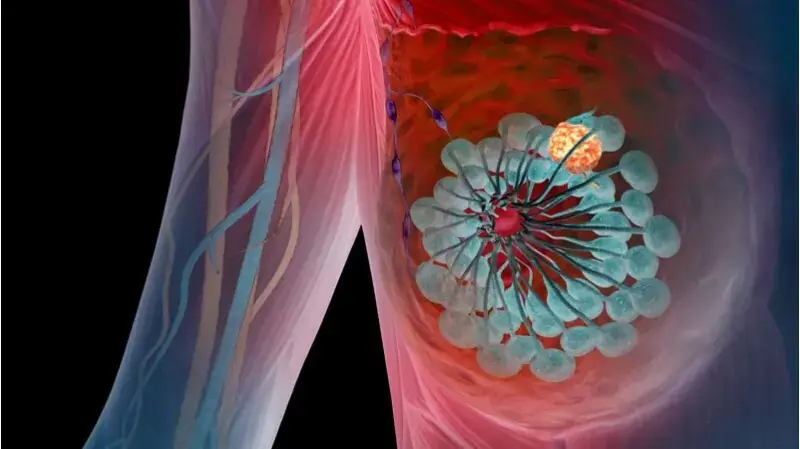

Prolactin is the hormone best known for stimulating breast milk production after childbirth. But outside of pregnancy and breastfeeding, prolactin levels should be relatively low. When they rise without an obvious cause, the symptoms of high prolactin in females ripple through the entire hormonal system in ways that many women don’t connect back to prolactin at all. These can include irregular periods, unexplained nipple discharge (galactorrhea), and even persistent acne or facial hair growth.
The key symptoms of high prolactin (hyperprolactinemia) in females include irregular or absent periods, milky nipple discharge unrelated to breastfeeding, infertility, low libido, and headaches or vision problems if a pituitary tumor is involved.
What Is Prolactin and When Should It Be High?
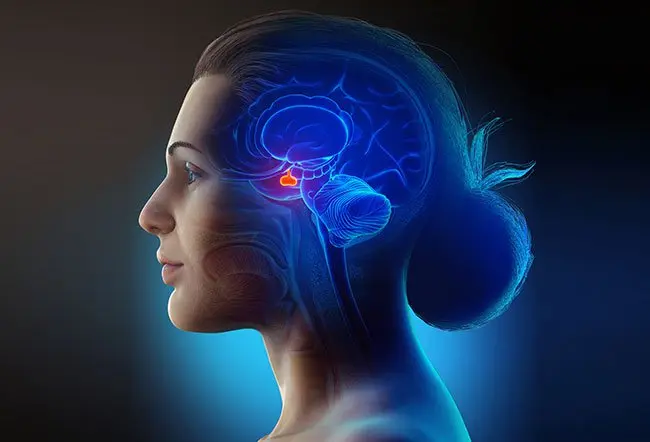
Prolactin is produced by the pituitary gland – a small gland at the base of the brain. It’s naturally elevated during pregnancy and breastfeeding. Outside of these times, high prolactin levels indicate something is interfering with the pituitary’s normal function.
Normal prolactin ranges:
|
Status |
Normal Range |
|---|---|
|
Non-pregnant women |
Less than 25 ng/mL |
|
Pregnant women |
80-400 ng/mL |
|
Breastfeeding women |
Up to 300 ng/mL |
Common Symptoms of High Prolactin in Females
Irregular or Absent Periods (Amenorrhea)
This is the most disruptive symptom for most women. Prolactin suppresses the hormones needed for ovulation (FSH and LH). When prolactin is too high, the menstrual cycle becomes irregular, very light, or stops altogether.
Women often assume they’re entering early menopause, or are told they have PCOS, before prolactin is actually tested.
Milky Nipple Discharge (Galactorrhea)
Producing milk or a milky fluid from the nipples without being pregnant or recently breastfeeding is one of the most recognizable signs of high prolactin. It may occur spontaneously or only with pressure on the breast.
Not every woman with high prolactin develops galactorrhea – but its presence is a strong clue.
Infertility
Because prolactin suppresses ovulation, many women with undiagnosed hyperprolactinemia come to light during fertility investigations. If you’ve been trying to conceive without success and have irregular periods, prolactin levels should be one of the first things checked.
Low Libido and Vaginal Dryness
High prolactin lowers estrogen levels, which leads to decreased sexual desire and vaginal dryness. These symptoms are often attributed to stress or relationship issues when the underlying cause is hormonal.
Headaches
A common cause of high prolactin is a prolactinoma – a benign tumor of the pituitary gland that produces excess prolactin. As the tumor grows, it can press on surrounding structures, causing persistent headaches.
Vision Changes
The pituitary gland sits directly below the optic chiasm (where the optic nerves cross). A growing prolactinoma can compress this structure, causing visual disturbances – often peripheral vision loss or tunnel vision. This is a serious symptom that requires urgent evaluation.
Breast Tenderness
Elevated prolactin can cause breast tissue to become enlarged and tender, even outside of pregnancy. Some women describe it as similar to PMS-related breast soreness, but more persistent.
Bone Loss (Osteoporosis Risk)
Over time, elevated prolactin lowers estrogen levels enough to affect bone density. Women with longstanding untreated hyperprolactinemia are at higher risk for osteopenia and osteoporosis.
Acne and Excess Hair Growth
Prolactin can indirectly raise androgen levels, leading to acne (particularly on the jawline) and unwanted facial or body hair – symptoms that overlap with PCOS and are frequently misattributed to it.
Mood Changes and Anxiety
Some women with hyperprolactinemia report persistent low mood, irritability, or anxiety. The hormonal disruption – particularly the drop in estrogen and dopamine activity – can directly affect mood.
Symptoms Summary Table
|
Symptom |
How Prolactin Causes It |
|---|---|
|
Irregular/absent periods |
Suppresses LH and FSH, preventing ovulation |
|
Milky nipple discharge |
Directly stimulates breast milk production |
|
Infertility |
No ovulation = no pregnancy |
|
Low sex drive + vaginal dryness |
Reduces estrogen levels |
|
Headaches |
Pituitary tumor pressing on structures |
|
Vision changes |
Tumor compressing the optic chiasm |
|
Bone loss |
Chronic low estrogen weakens bones |
|
Acne + excess hair |
Elevated androgens secondary to prolactin |
What Causes High Prolactin?
|
Cause |
Notes |
|---|---|
|
Prolactinoma (pituitary tumor) |
Most common pathological cause; usually benign |
|
Hypothyroidism |
Low thyroid function raises TRH, which elevates prolactin |
|
Medications |
Antipsychotics, antidepressants, blood pressure meds, anti-nausea drugs |
|
Stress |
Acute physical or psychological stress can temporarily raise levels |
|
Chest wall stimulation |
Frequent breast stimulation can raise prolactin |
|
Kidney or liver disease |
Affect prolactin clearance |
|
PCOS |
Some overlap and co-occurrence |
|
Pregnancy/breastfeeding |
Normal physiological elevation |
Getting Diagnosed
A simple blood test measures prolactin levels. If elevated, doctors typically follow up with:
- Thyroid function tests – to rule out hypothyroidism
- MRI of the pituitary gland – to check for a prolactinoma
- Repeat prolactin testing – single elevated results can be from stress or timing; a fasting, rested morning sample is most accurate
Treatment Options
Treatment depends on the cause:
- Prolactinoma: First-line treatment is medication (cabergoline or bromocriptine), which shrinks the tumor and normalizes prolactin in most cases. Surgery is rarely needed.
- Medication-induced: Adjusting or switching the offending medication under medical supervision
- Hypothyroidism: Treating the thyroid usually normalizes prolactin
- Mild/unexplained elevation: May just require monitoring
When to See a Doctor
Request a prolactin blood test if you:
- Have irregular or absent periods without an obvious cause
- Are producing nipple discharge and are not pregnant or breastfeeding
- Have unexplained infertility
- Are experiencing persistent headaches or vision changes
- Have symptoms that overlap with PCOS but haven’t responded to treatment
Bottom Line
High prolactin in women is more common than most people realize and frequently goes undiagnosed for years. The symptoms – missed periods, nipple discharge, infertility, low libido – can mimic other conditions. A simple blood test can identify it, and treatment is usually very effective. Don’t let this one slip through the cracks.