Why Am I Pooping Blood With No Pain? What It Could Mean
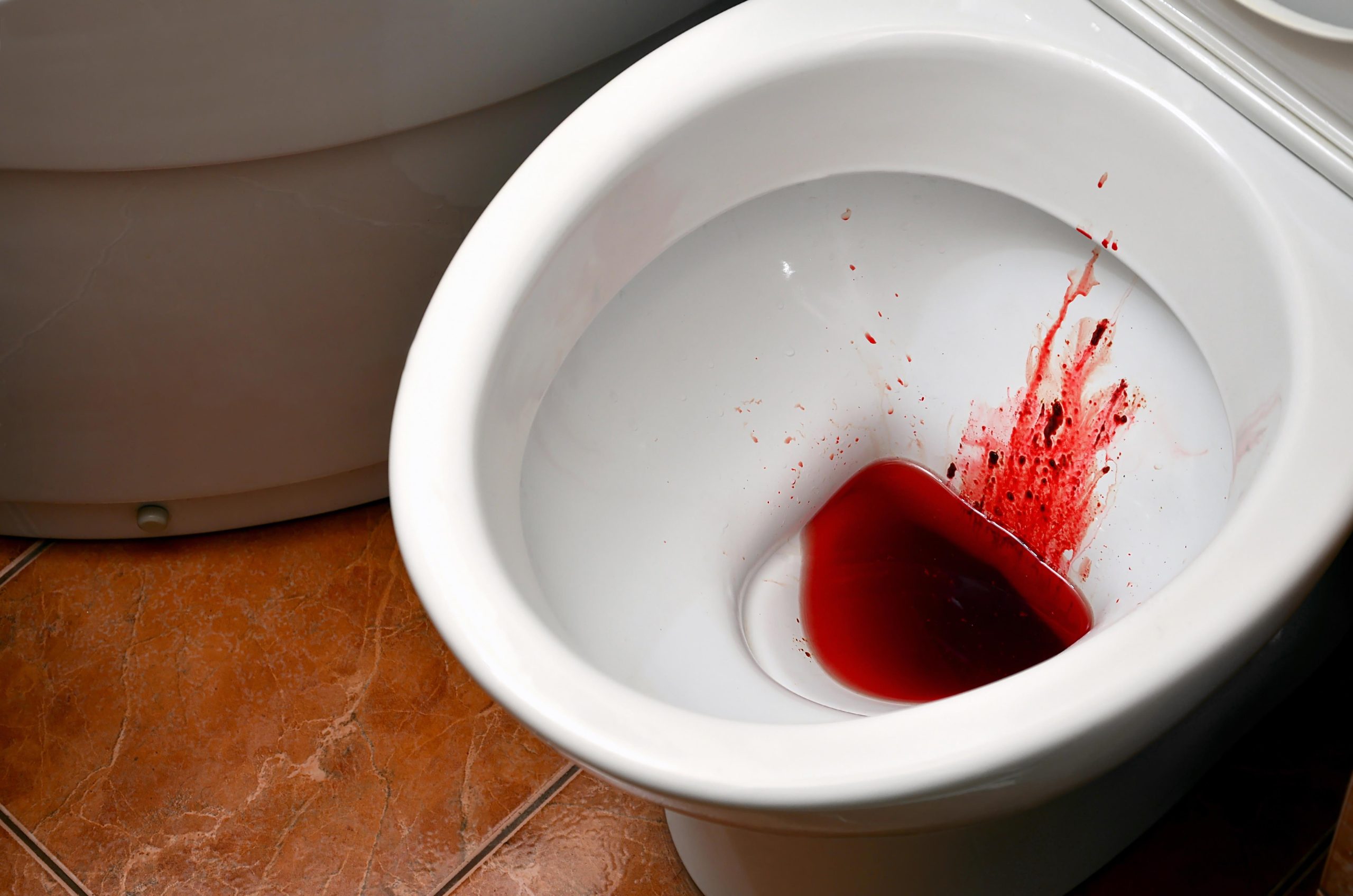

Finding blood in your stool without any pain is disorienting—pain would at least suggest something obvious is wrong. The absence of pain doesn’t make it less important; if you are wondering “why am I pooping blood no pain,” common causes can range from internal hemorrhoids to more serious issues like polyps or colorectal cancer. Painless rectal bleeding is a symptom that should be taken seriously and investigated by a doctor, regardless of how minimal the blood appears.
The most common causes of painless rectal bleeding are haemorrhoids, anal fissures in the healing phase, diverticulosis, and – less commonly but importantly – colorectal polyps or cancer. The colour and appearance of the blood are important clues about where the bleeding is coming from.
Blood Colour – A Critical Clue
|
Blood Appearance |
Where It Likely Comes From |
|---|---|
|
Bright red, on toilet paper or surface of stool |
Lower rectum or anus (haemorrhoids, anal fissure) |
|
Bright red mixed through stool |
Lower colon, sigmoid, or rectum |
|
Dark red or maroon, mixed in stool |
Higher in the colon |
|
Black, tarry stool (melaena) |
Upper GI tract (stomach or small intestine) |
|
Occult (invisible) blood |
Anywhere in the GI tract – detected by stool test |
Most Common Causes
Haemorrhoids (Most Likely Cause Overall)
Haemorrhoids are swollen veins in the rectal/anal area. Internal haemorrhoids are typically painless – which is why rectal bleeding from haemorrhoids often has no associated pain.
Characteristics:
- Bright red blood – on toilet paper, around the stool, or in the toilet bowl
- Blood not mixed into the stool
- May notice a lump or protrusion after defecation
- Triggered by straining, constipation, or prolonged sitting
Anal Fissure (Healing Phase)
An anal fissure is a small tear in the lining of the anus. Acute fissures are painful. As they heal, the pain may resolve while minor bleeding continues.
Diverticulosis
Small pouches (diverticula) that form in the colon wall can bleed – often suddenly and significantly – without causing pain. This is called diverticular bleeding.
Characteristics:
- Can cause significant bright red or maroon blood
- Usually resolves on its own but can be substantial
- More common in people over 50
- Often occurs without any prior bowel symptom
Colorectal Polyps
Polyps are benign growths in the colon lining that can bleed with no pain. They are significant because some types (adenomatous polyps) can progress to colorectal cancer if undetected.
Colorectal Cancer
Painless rectal bleeding is one of the earliest warning signs of colorectal cancer – which is why it must be investigated, not ignored.
Signs that increase concern for cancer:

- Persistent change in bowel habits
- Unexplained weight loss
- Fatigue
- Blood mixed through the stool rather than coating it
- Age over 45, or family history of colorectal cancer
Inflammatory Bowel Disease (IBD)
Crohn’s disease and ulcerative colitis can cause rectal bleeding. IBD may have a pain-free bleeding phase, though cramping is more typical.
Angiodysplasia
Abnormal, fragile blood vessels in the colon wall that can bleed episodically without pain – more common in older adults.
When to Seek Immediate Care
Go to the ER or urgent care if:
- Significant volume of blood – filling the toilet bowl
- Dark red or tarry black stool (melaena) – indicates upper GI bleeding
- Lightheadedness, rapid heart rate, or faintness alongside bleeding
- Abdominal pain develops alongside the bleeding
When to See Your Doctor (Non-Emergency but Prompt)
See a GP within 1-2 days if:
- Any rectal bleeding that is new and unexplained
- Bleeding that has persisted for more than 1-2 days
- You are over 45 (colonoscopy screening is recommended at this age)
- Family history of colorectal cancer
- Associated change in bowel habits
Never attribute rectal bleeding to haemorrhoids without medical confirmation – particularly if you’re over 40 or the bleeding is persistent or changing.
Investigations
Your doctor will likely recommend:
- Digital rectal examination – checks the lower rectum and anus
- Proctoscopy or sigmoidoscopy – direct visualisation of the lower rectum
- Colonoscopy – full examination of the colon; the definitive test
- Blood tests – full blood count to assess for anaemia
Bottom Line
Painless rectal bleeding is common and most often caused by haemorrhoids – but it should never be dismissed without proper evaluation. The absence of pain doesn’t make it benign. Colorectal polyps and early colorectal cancer both frequently present with painless bleeding, and both are highly treatable when caught early. See a doctor. A colonoscopy provides definitive answers and peace of mind.